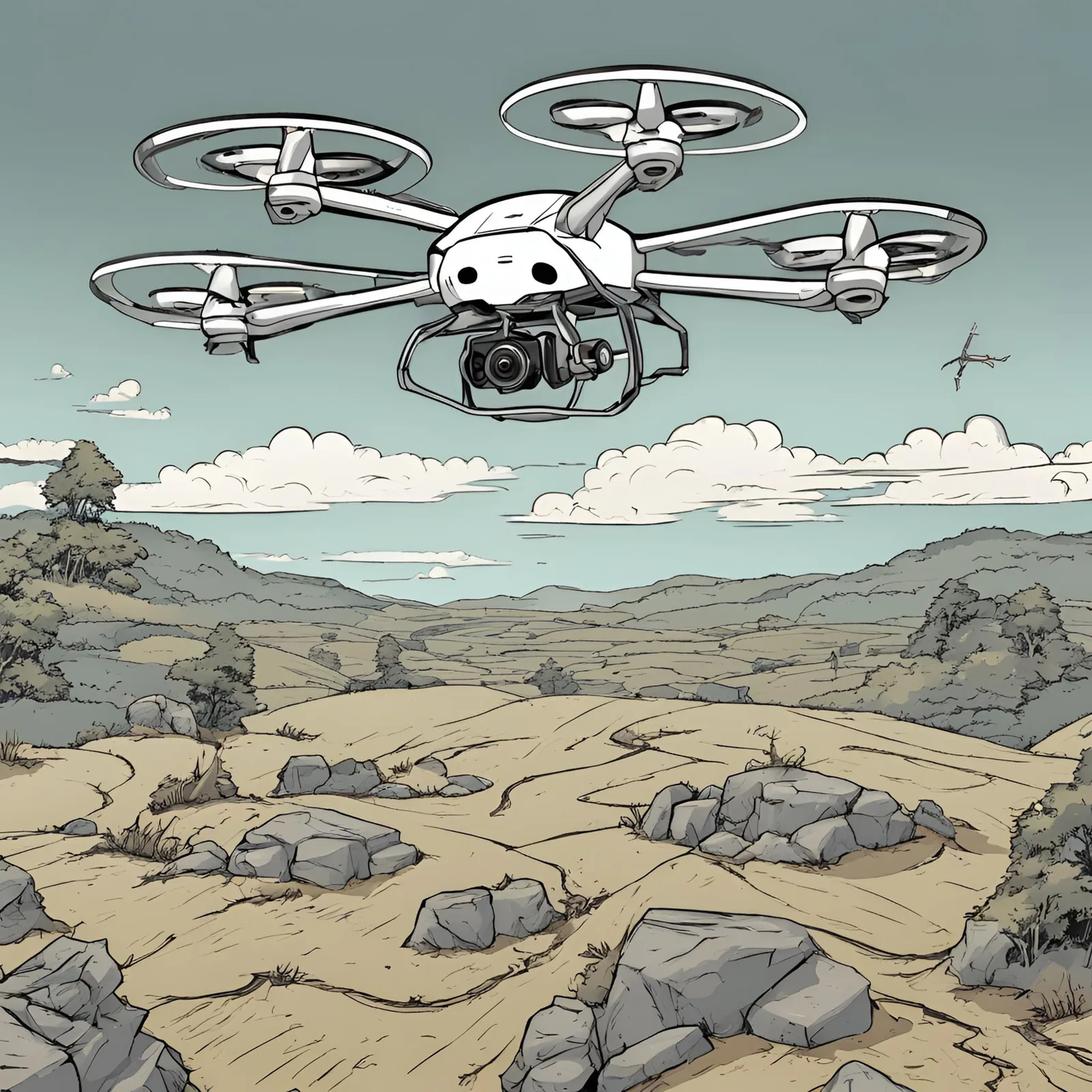
The Environmental Impact of Drone Photography
Introduction
As drone technology advances and becomes more widely accessible, drone photography has found its way into numerous industries, including real estate, conservation, tourism, and media. With the ability to capture images from above, drones allow us to view the world from new perspectives, offering stunning visuals of landscapes, wildlife, and urban environments. However, as with any technology, drone use comes with its own environmental implications. This article explores the environmental impact of drone photography and highlights how, when used responsibly, drones can provide eco-friendly alternatives to traditional photography methods, contributing to sustainable practices in various fields.
Reducing Carbon Emissions Through Aerial Efficiency
One of the significant environmental advantages of drones is their low carbon footprint, especially when compared to traditional methods of capturing aerial footage, such as helicopters and planes. Before drones, aerial photographers and videographers relied on fuel-intensive aircraft, which released large amounts of CO₂ and other pollutants into the atmosphere.
Environmental Benefits
- Lower Emissions: Most drones are electric-powered, meaning they emit zero direct emissions during operation. By replacing helicopters or planes for aerial shots, drones can substantially reduce greenhouse gas emissions in activities like filming, surveying, and mapping.
- Energy Efficiency: The energy consumption of a drone is significantly lower than that of a full-sized aircraft, resulting in reduced fossil fuel dependency. This efficiency helps industries meet sustainability goals by choosing drones for aerial photography instead of high-emission alternatives.
By using drones, industries can minimize their environmental impact, creating a cleaner, more sustainable approach to capturing aerial views.
Minimizing Disturbance to Wildlife and Natural Habitats
Drones can provide a unique advantage for wildlife photography and conservation efforts, allowing photographers to observe and document animals in their natural habitats without disrupting them. Traditional photography methods often required photographers to physically enter delicate ecosystems, which could disturb the local wildlife.
Wildlife and Habitat Benefits
- Reduced Physical Presence: Drones allow photographers to capture images from a distance, which can reduce human intrusion in sensitive environments like nesting sites or wildlife reserves. This reduces the likelihood of scaring animals or disrupting their natural behaviors.
- Silent Operation: While drones are not completely silent, advancements in technology have made many models quieter, making them less likely to disturb wildlife when used responsibly.
- Access to Hard-to-Reach Areas: Drones can access remote or difficult-to-reach areas, such as cliffs, forests, and wetlands, which would otherwise require extensive infrastructure or vehicles. By minimizing physical footprints in these ecosystems, drones help reduce potential harm to natural habitats.
While drones can still cause stress to some animals, using them responsibly and maintaining safe distances can allow conservationists and photographers to document wildlife with minimal environmental disturbance.
Supporting Conservation and Environmental Monitoring
Drone photography plays an important role in conservation by enabling more effective monitoring of ecosystems, wildlife populations, and environmental changes. Conservationists, scientists, and environmentalists are increasingly using drones to study and protect biodiversity.
Conservation Applications
- Habitat Mapping: Drones can capture large-scale images of ecosystems, which help scientists create accurate habitat maps. These maps are essential for tracking land use changes, deforestation, and habitat loss over time.
- Monitoring Wildlife Populations: With high-resolution cameras, drones can capture detailed images of wildlife populations, providing critical data on animal numbers, health, and movement. This allows conservationists to monitor species without invasive techniques.
- Tracking Environmental Changes: Drones can document changes in landscapes, such as receding glaciers, coastal erosion, and deforestation. This helps scientists and policymakers understand and respond to environmental changes caused by climate change and human activities.
By providing precise and real-time data, drones support conservation efforts and help protect ecosystems, making environmental monitoring more effective and less intrusive.
Minimizing Land Degradation Through Reduced Infrastructure Needs
Traditionally, capturing images in remote or difficult-to-reach areas required constructing infrastructure like roads, observation towers, or helicopter landing sites. These developments could disrupt natural landscapes, leading to habitat fragmentation and land degradation. Drones, however, require no permanent infrastructure and have minimal land impact.
Benefits of Reduced Land Impact
- Preserving Natural Landscapes: Drones can access landscapes without the need for roads, paths, or other human-made structures. This preserves natural areas, preventing the environmental degradation often associated with traditional access methods.
- Decreasing Soil Erosion: Soil disturbance from vehicles and human traffic can lead to erosion and degradation of landscapes. Drones eliminate the need for such disturbances, reducing erosion risk in sensitive areas like deserts, coastlines, and mountainsides.
- Protecting Vegetation and Soil Quality: Because drones can capture aerial footage from above without landing on delicate terrain, they protect ground vegetation, soil structure, and biodiversity, maintaining the natural balance of ecosystems.
By minimizing the need for infrastructure, drones allow us to capture stunning views of landscapes while preserving the integrity of the environment.
Supporting Sustainable Tourism with Eco-Friendly Views
In the tourism industry, drones offer a sustainable alternative to traditional forms of capturing and promoting tourist destinations. As travelers become increasingly aware of the environmental impact of their choices, eco-friendly tourism practices are gaining popularity. Drone photography is emerging as a valuable tool for promoting destinations in a responsible manner.
Eco-Friendly Tourism Advantages
- Virtual Tourism Experiences: High-quality drone footage allows tourism boards and travel agencies to create immersive virtual tours, which can reduce the need for physical travel. Virtual tours can help minimize the environmental impact of tourism while still offering a compelling view of popular destinations.
- Promotion of Lesser-Known Areas: By capturing footage of less-traveled destinations, drones help promote sustainable tourism by dispersing visitor traffic away from overburdened tourist sites. This can relieve pressure on popular attractions and support eco-tourism in under-visited locations.
- Responsible Marketing: Drone footage offers a way to market destinations without causing ecological damage. It reduces the need for excessive marketing infrastructure, like billboards and signs, allowing nature to remain undisturbed while still drawing tourists to scenic areas.
Through sustainable practices, drones can showcase tourism destinations in an eco-friendly way, allowing the industry to reduce its impact on sensitive ecosystems.
Reducing Waste and Resource Use in Film Production
The film and media industries frequently rely on aerial shots for breathtaking cinematography, but traditional methods, such as helicopters, involve high levels of fuel consumption, noise pollution, and waste. Drone photography offers a sustainable alternative that can significantly reduce the resource footprint of media production.
Environmental Benefits in Media Production
- Minimizing Fuel Consumption: Drones require only battery power, making them far more energy-efficient than helicopters. This helps reduce fossil fuel use and greenhouse gas emissions associated with media production.
- Reducing Equipment and Setup: With their compact size and agility, drones require less equipment and setup time, reducing the overall resource footprint of filming projects. Fewer vehicles and crew members are needed, which helps decrease emissions and waste.
- Lowering Noise Pollution: The relatively quiet operation of drones reduces noise pollution, which benefits the surrounding environment, wildlife, and local communities, especially in natural or remote filming locations.
By choosing drones, media companies can adopt greener practices that minimize environmental impact and promote sustainability in film production.
Challenges and Responsible Use of Drone Photography
Despite the eco-friendly potential of drones, there are challenges and environmental risks associated with their use. Noise pollution, accidental wildlife disturbances, and potential drone malfunctions can negatively impact the environment if drones are not operated responsibly.
Tips for Eco-Responsible Drone Use
- Respect Wildlife and Maintain Distance: Always keep a safe distance from wildlife, and avoid nesting sites or areas where animals may be easily disturbed. Maintaining a respectful distance ensures that animals remain undisturbed in their natural behavior.
- Minimize Noise Levels: While many drones are quieter than traditional aircraft, the noise can still startle animals. Opt for quieter models and avoid flying in sensitive areas.
- Follow Regulations and Guidelines: Each country has its own regulations for drone operation. Following local laws helps protect natural areas and maintains public safety. In the EU, for example, EASA regulations outline rules for drone usage, including no-fly zones in protected areas.
- Choose Battery-Efficient Models: Battery life impacts not only operational range but also environmental impact. Look for models with long battery life and low power consumption to minimize the environmental cost of frequent charging.
By prioritizing responsible practices, drone operators can reduce potential environmental risks and make the most of drone technology’s eco-friendly benefits.
Conclusion
Drone photography offers a powerful, eco-friendly alternative to traditional aerial imaging methods, with a significantly lower environmental impact. From reducing carbon emissions to supporting conservation and promoting sustainable tourism, drones are helping various industries adopt greener practices. While there are environmental challenges to consider, responsible and mindful drone operation can mitigate these issues, allowing us to explore new perspectives and capture the beauty of our planet without compromising its well-being. As drone technology continues to advance, so does its potential to contribute to a more sustainable and eco-conscious future.